

Why Extinguishers Fail and How Regular Checks Stop Problems Early
Common fire extinguisher issues usually come from low pressure, blocked nozzles, damaged parts, or expired units. These problems often go unnoticed until an emergency happens. A routine fire extinguisher inspection helps catch these faults early so the extinguisher works when you need it most. Regular checks reduce the risk of failure, lower safety hazards, and help buildings stay up to code.
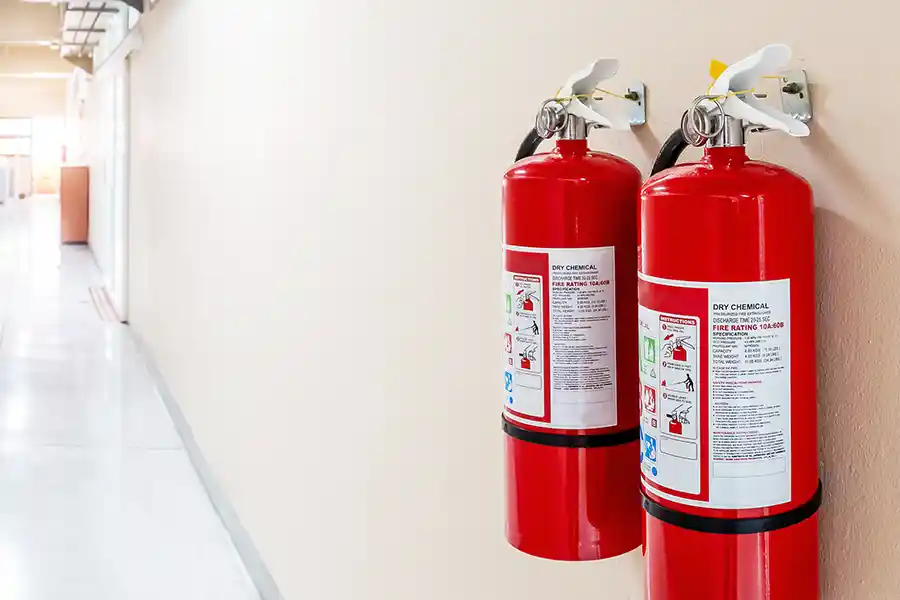
Quick Diagnosis: Why Extinguishers Stop Working
Most extinguisher failures are preventable. Units may look fine on the outside but still have hidden issues. Over time, pressure can drop. Seals can dry out. Hoses can crack. When no one checks them, these small issues grow into major problems.
Many businesses only notice a problem during an emergency drill or, worse, a real fire. At that point, it is too late. That is why routine fire extinguisher inspection plays such a key role in building safety and overall fire protection services.
Common Symptoms of a Faulty Fire Extinguisher
You can often spot warning signs with a simple visual check. Look for:
- Pressure gauge needle in the red zone
- Broken or missing safety pin
- Cracked or clogged hose
- Dents or rust on the cylinder
- Loose or damaged handle
- Inspection tag that is missing or outdated
If you see any of these signs, the extinguisher may not work properly. Even one symptom is enough to take action.
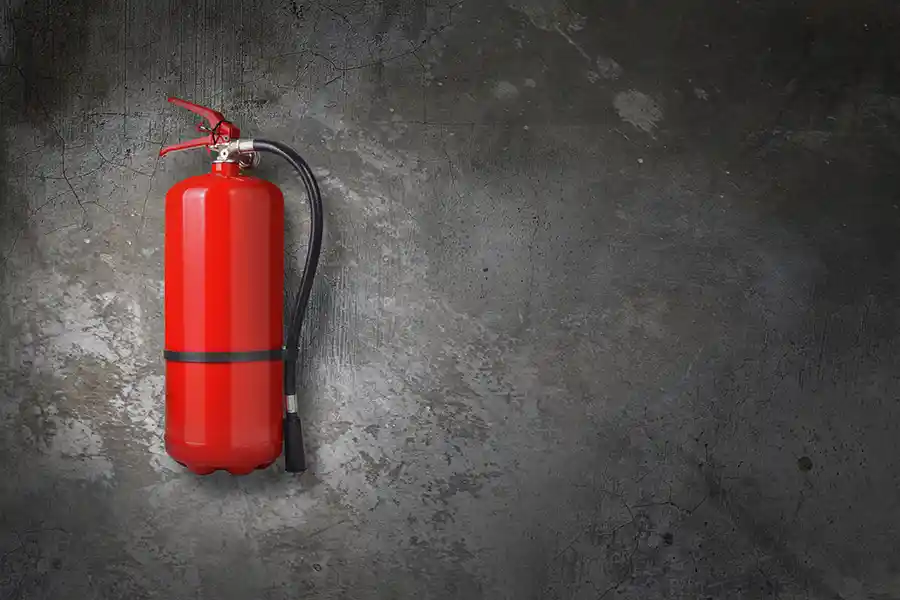
Likely Causes Behind These Issues
Several factors can lead to extinguisher failure. One common cause is lack of maintenance. Units stored in busy areas may get bumped or knocked over. Over time, this causes damage.
Temperature changes also play a role. In hot storage rooms or cold warehouses, pressure levels can shift. Moisture can lead to rust. In some cases, the extinguisher simply expires. Most units require testing or replacement after a certain number of years.
Without scheduled fire extinguisher inspection, these causes often go unnoticed.
What to Check First
If you manage a property, there are a few basic things you can review monthly:
- Confirm the extinguisher is easy to access.
- Check that the pressure gauge is in the green zone.
- Inspect the body for dents, rust, or leaks.
- Verify the safety pin is sealed and intact.
- Review the inspection tag for current service dates.
These quick checks take only a few minutes. They add an extra layer of protection between scheduled professional visits.
Safe Fixes Vs. Professional Repairs
Some minor issues are easy to correct. For example, removing light dust, clearing access to the unit, or tightening a mounting bracket can be handled in-house.
However, low pressure, broken seals, internal damage, or expired units require professional service. Refilling or recharging an extinguisher is not a do-it-yourself task. Certified technicians use proper tools and follow safety codes.
A licensed fire extinguisher inspection includes internal checks, recharge service if needed, and proper documentation. This keeps your building compliant and safe.
Prevention Tips to Avoid Future Failures
Prevention is always easier than dealing with an emergency. A few simple habits make a big difference:
- Schedule annual professional inspections.
- Perform quick monthly visual checks.
- Keep extinguishers in clean, dry areas.
- Do not block access with furniture or storage.
- Replace old units before they expire.
Keeping clear records also helps. Updated inspection tags show when the last service was completed and when the next one is due. Staying organized reduces last-minute scrambling before safety audits.
Many property owners include extinguishers as part of their larger fire protection services plan. When alarms, sprinklers, and extinguishers are maintained together, overall safety improves.
Protect Your Property With Reliable Service
Staying ahead of common extinguisher problems helps protect lives and property in Tuttle, OK. At Oklahoma Fire Safety, we provide thorough fire extinguisher inspection services that catch small issues before they turn into failures. If your tags are outdated or you are unsure about your equipment’s condition, call us at (405) 851-5739 to schedule service. We are here to help keep your building safe and fully prepared.