

Stay Safe by Avoiding Simple Errors That Can Make Your Extinguisher Fail
Common mistakes to avoid when recharging fire extinguishers include using the wrong agent, skipping a full inspection, overfilling the cylinder, and failing to test pressure levels. These errors can cause the extinguisher to fail during a fire. Good maintenance and careful handling help your unit work when you need it most.
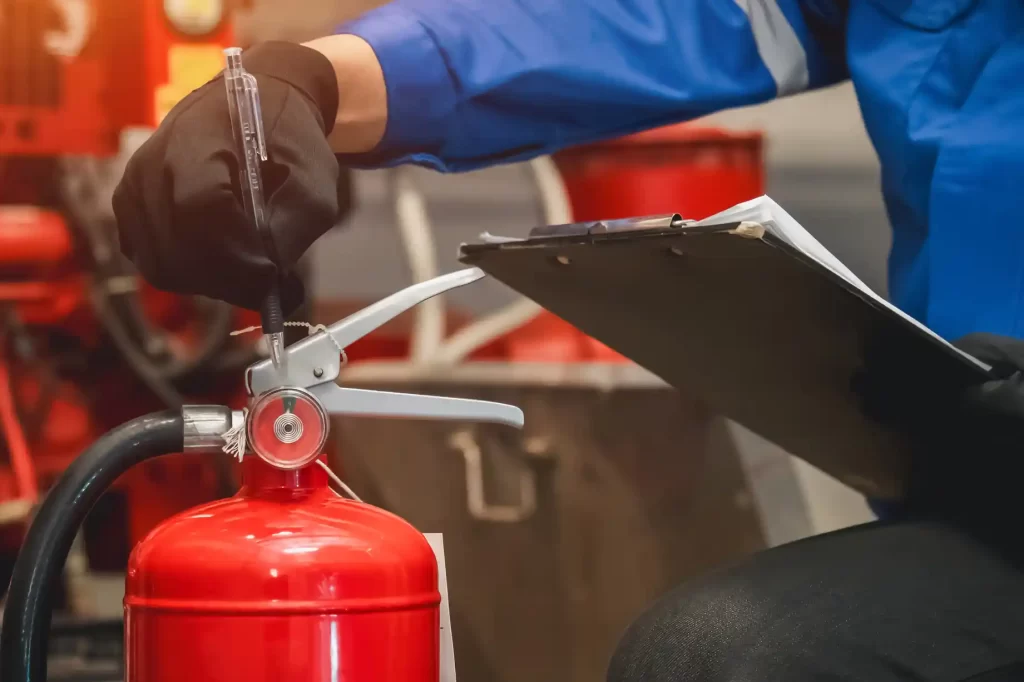
Why Prevention Matters
Fire extinguishers are often ignored until there is smoke in the air. That is a big risk. A poorly serviced unit may not spray at all. It might leak, lose pressure, or spray the wrong chemical.
Routine recharging keeps extinguishers ready after use. It also keeps your property in line with safety rules. Small mistakes during service can lead to big problems later.
Early Warning Signs
You can often spot issues before they turn serious. Watch for these signs:
- The pressure gauge sits below the green zone.
- The safety seal is broken or missing.
- You see rust, dents, or corrosion on the tank.
- The nozzle looks clogged.
- The extinguisher was used, even for a second.
If you notice any of these, recharging should happen right away. Even partial discharge lowers internal pressure.
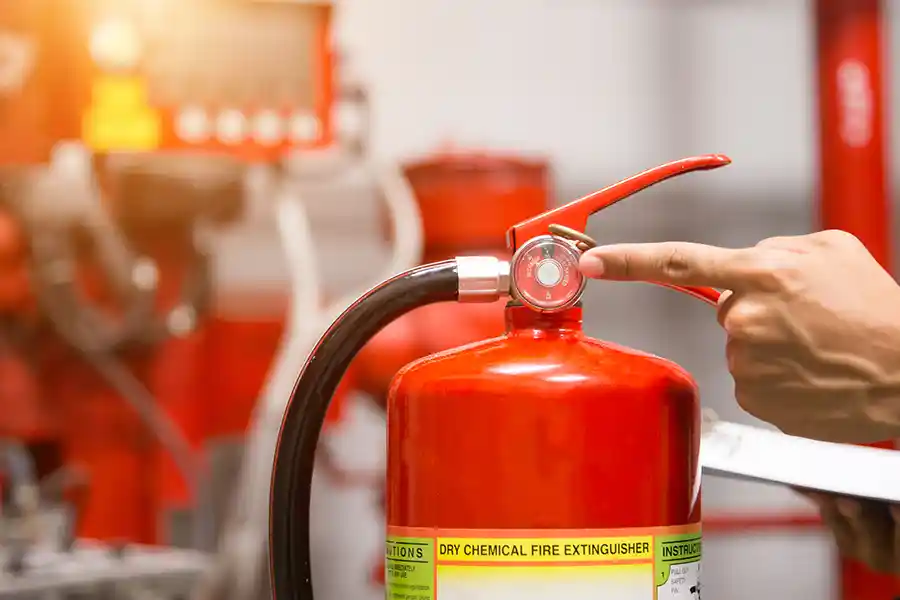
Seasonal or Routine Checklist
Set a simple schedule to avoid common errors. Many businesses check their extinguishers once a month and after any use.
- Confirm the extinguisher type matches the fire risk.
- Inspect the cylinder for physical damage.
- Check the gauge for proper pressure.
- Empty remaining agent safely before refilling.
- Refill with the exact agent listed on the label.
- Pressurize to manufacturer specifications only.
- Test for leaks.
- Tag the unit with the service date.
This simple list helps prevent the most common recharging mistakes.
Best Practices for Long-Term Results
Always match the extinguishing agent to the correct fire class. For example, a kitchen may need a different unit than an office with computers. Mixing chemicals or guessing can damage the extinguisher.
Use proper tools and calibrated equipment. Too much pressure can weaken the cylinder. Too little pressure can make the spray weak or useless.
Follow national and local fire codes. This applies to both homes and commercial buildings. Regular fire protection services help extend the life of your equipment.
Keep records of every inspection and recharging service. Clear documentation helps during safety audits and insurance reviews.
What Not to Do
Many mistakes happen when people rush or try to cut corners. Avoid these actions:
- Do not refill without fully depressurizing first.
- Do not reuse old or contaminated extinguishing agent.
- Do not ignore hydrostatic testing dates.
- Do not paint over rust or damage.
- Do not guess the fill level.
Another common error is assuming a barely used extinguisher does not need recharging. Even a short burst releases pressure and reduces performance.
When to Schedule Professional Help
Some parts of recharging require training and special tools. Large commercial units, high-pressure cylinders, and specialty agents should always be handled by trained technicians.
If you manage a business, professional service is often required by safety rules. Certified technicians inspect internal parts, replace worn seals, and confirm the unit meets code.
Professional recharging also lowers the risk of injury. Fire extinguishers hold compressed gas. Mistakes during handling can cause sudden release of pressure.
Get Dependable Extinguisher Support Today
If you need help with recharging or routine inspections in Tuttle, OK, our team is ready to assist. At Oklahoma Fire Safety, we handle fire extinguisher maintenance with care and strict attention to safety standards. Call (405) 851-5739 to schedule service or ask questions about keeping your equipment compliant and ready for emergencies. We are here to help you protect your people and property.