

Regular Safety Checks Stop Small Hazards From Turning Into Major Disasters
how fire equipment inspection prevents workplace emergencies is simple: it finds problems early so they can be fixed before a fire spreads. When alarms, extinguishers, and sprinkler systems are checked on a regular schedule, they work the way they should in an emergency. A small issue, like a blocked sprinkler head or a low-pressure extinguisher, can turn into a serious danger if no one catches it in time.
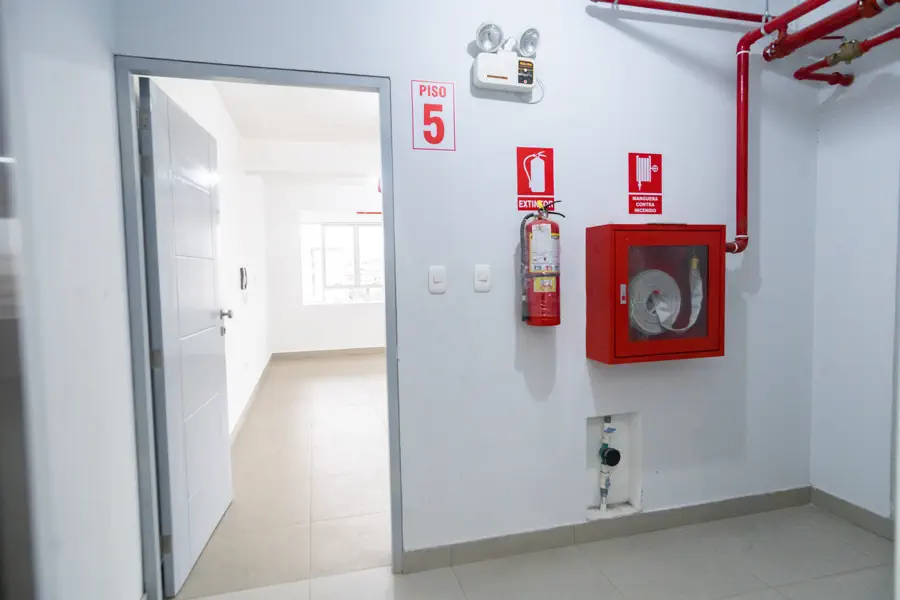
Why Prevention Matters
Fires in the workplace often start small. A faulty wire. An overheated machine. A spark near stacked boxes. If the right equipment works right away, damage stays limited. If it fails, people can get hurt and the building can suffer heavy loss.
A routine fire equipment inspection lowers that risk. It confirms that each part of your fire protection setup is ready to respond. This supports your full fire safety plan and helps protect staff, visitors, and property.
Early Warning Signs You Should Not Ignore
Safety equipment often shows signs of trouble before it stops working. Staff should know what to look for during daily operations.
- Fire extinguishers with low pressure gauges
- Blocked or hard-to-reach exits
- Sprinkler heads covered in dust or paint
- Alarm panels showing warning lights
- Emergency lights that flicker or stay off
These signs may seem minor. But in a real emergency, they can delay response and increase danger. Regular fire equipment inspection catches and corrects these issues early.
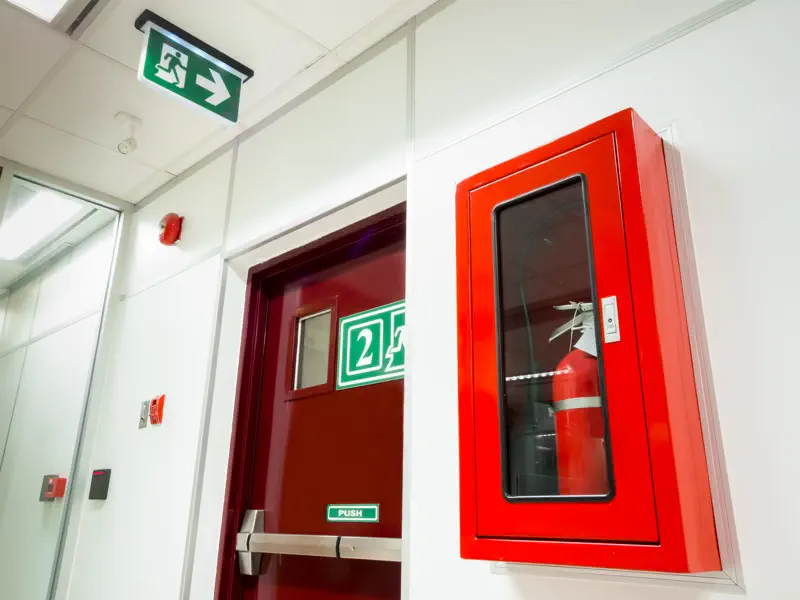
Routine Inspection Checklist for Workplaces
Every building should follow a clear inspection routine. Some checks can be done monthly. Others should be handled quarterly or annually by trained professionals.
- Check fire extinguishers for pressure, damage, and proper placement.
- Test fire alarms and control panels for correct operation.
- Inspect sprinkler systems for leaks, corrosion, or obstructions.
- Confirm emergency lighting works during power loss.
- Review exit routes to keep them clear and marked.
- Document all findings for safety records and compliance.
This step-by-step process creates a safer work setting. It also helps businesses follow local codes and insurance rules.
Best Practices for Long-Term Results
Good habits make safety systems last longer and perform better. Start by assigning a trained staff member to oversee inspections. Keep a written log of all tests and repairs. Train employees on basic equipment awareness so they can spot problems early.
Schedule professional fire equipment inspection at least once a year, or more often if required. Combine inspections with staff fire drills. When workers know where equipment is and how it works, response time improves.
It also helps to keep storage away from sprinkler heads and electrical panels. Crowded storage spaces increase fire load and block access to safety tools.
What Not to Do
Some businesses make simple mistakes that increase risk.
- Ignoring expired inspection tags
- Using damaged extinguishers without reporting it
- Skipping inspections to save time
- Letting untrained staff repair alarm or sprinkler systems
Quick fixes without proper knowledge can make systems unreliable. Fire protection equipment is part of a larger safety network. One weak part can affect the whole system.
When to Schedule Professional Help
While staff can handle visual checks, licensed technicians should perform deeper testing and repairs. This includes internal valve inspections, alarm calibration, and sprinkler flow testing. These tasks require tools and training.
Businesses should also book professional service after renovations, equipment upgrades, or any building layout changes. Even small layout shifts can affect sprinkler coverage and alarm performance.
If your building has not had a full fire equipment inspection in the past year, now is a good time to schedule one. Workplaces with kitchens, manufacturing tools, or heavy electrical use may need more frequent service.
Protect Your Workplace With Expert Support
Keeping people safe at work starts with preparation. In Tuttle, OK, we help businesses stay ready through detailed inspections and reliable service. At Oklahoma Fire Safety, our team handles fire protection systems with care and attention to detail. Call us at (405) 851-5739 to schedule service or ask questions about your current setup. We are here to help you maintain a safe, code-compliant workplace year-round.