

How Keeping Fire Extinguishers Filled and Ready Supports Code Compliance
Recharging fire extinguishers plays a key part in meeting fire codes and passing safety inspections. When extinguishers are properly recharged after use or testing, they stay ready for the next emergency. This helps building owners follow local fire rules, avoid fines, and protect the people inside. Without regular recharging, even a small discharge can leave an extinguisher underpowered and out of compliance.
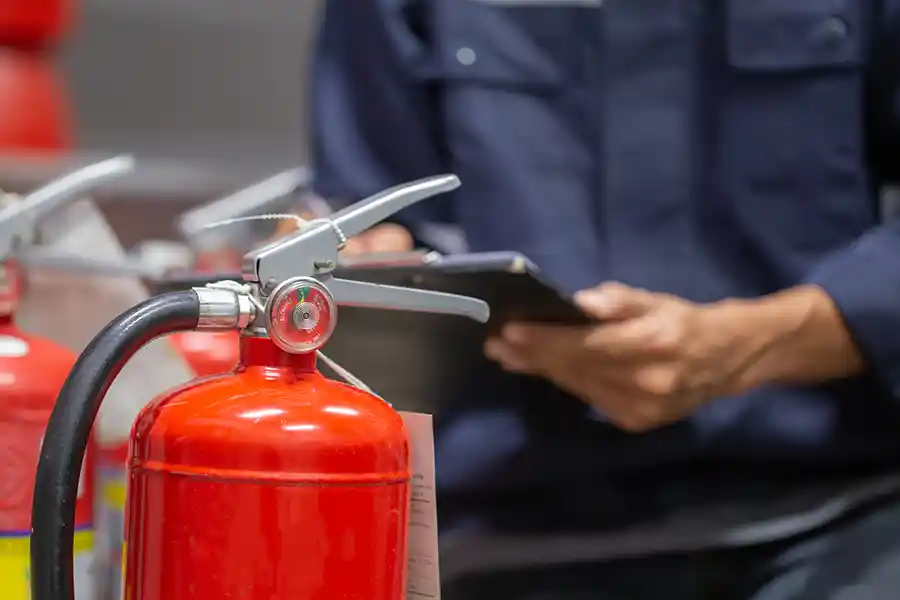
Why Prevention Matters for Fire Code Compliance
Fire codes require that extinguishers are fully charged, in good shape, and easy to use. An extinguisher with low pressure or missing agent can fail an inspection. It can also fail during a fire.
Recharging keeps the unit filled with the correct fire-suppressing agent and resets the internal pressure. This step supports overall fire protection plans. It also shows inspectors that the building owner takes safety rules seriously.
In many areas, fire departments check extinguisher tags during routine inspections. If the tag shows service is overdue, it may lead to warnings or penalties. Regular recharging helps avoid those problems.
Early Warning Signs an Extinguisher Needs Recharging
Some signs are easy to spot. Others require a closer look during routine checks.
- The pressure gauge points below the green zone.
- The safety seal is broken.
- The extinguisher was used, even for a short burst.
- There is visible damage or corrosion.
- The service tag shows an outdated inspection date.
Even a quick squeeze during a small kitchen fire can lower the pressure. Many people think a small release does not matter. It does. Once used, the unit needs recharging to return to full strength.
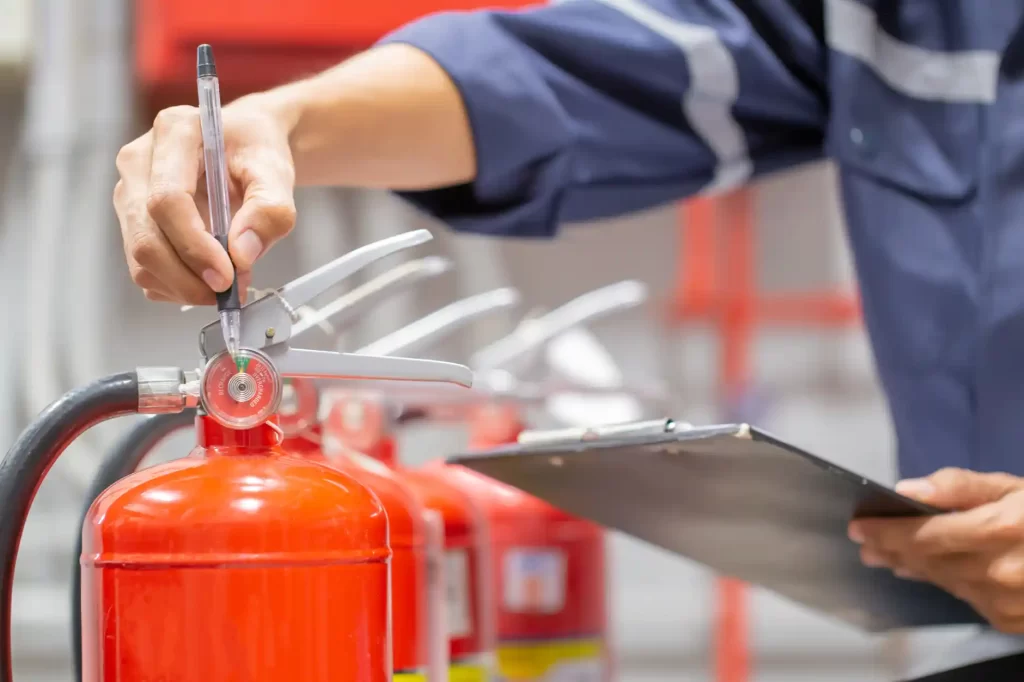
Routine Maintenance Checklist for Compliance
Staying compliant is easier with a simple routine. Building managers and property owners can follow a monthly and yearly plan.
- Check the pressure gauge each month.
- Inspect for dents, rust, or loose parts.
- Make sure the extinguisher is easy to reach.
- Confirm the inspection tag is up to date.
- Schedule professional service once a year.
During annual service, a technician may perform testing, internal inspection, and recharging if needed. This keeps the equipment aligned with local and national fire standards. It also supports compliance with workplace safety rules.
Best Practices for Long-Term Results
Good record keeping is one of the best ways to stay on track. Keep a log of all inspections, maintenance visits, and recharging dates. Store copies in a safe place that is easy to access during an inspection.
Train staff on basic fire extinguisher checks. When more people know what to look for, problems are found faster. Quick action lowers the risk of failing an inspection.
It also helps to match the right extinguisher to each hazard. For example, kitchens may need wet chemical units, while offices often use ABC dry chemical extinguishers. Using the correct type supports both safety and code compliance.
If your property includes alarm systems or sprinkler systems, tie extinguisher service into your full fire protection plan. A coordinated approach keeps all parts working together.
What Not to Do
Do not ignore a partially used extinguisher. Do not shake it and assume it is fine. The pressure and agent levels must be checked and restored properly.
Do not try to open and refill a commercial unit on your own. Fire extinguishers are pressurized devices. Improper handling can cause injury and may void certification.
Also, avoid skipping service just to save time or money. The cost of non-compliance can be much higher if fines or damage occur after a fire.
When to Schedule Professional Help
You should arrange professional service after any discharge, before the annual inspection deadline, or when the gauge shows low pressure. Large commercial buildings may need more frequent checks based on occupancy and risk level.
A certified technician will inspect internal parts, replace worn components, and complete recharging to meet code standards. They will also update the service tag with the correct date and details. This documentation helps during audits and inspections.
Protect Your Property and Stay Compliant
Staying compliant with fire codes in Tuttle, OK starts with keeping extinguishers fully charged and properly maintained. At Oklahoma Fire Safety, we provide professional inspections, maintenance, and recharging services that support your full fire protection plan. If you need help keeping your building up to code, call us at (405) 851-5739 so we can help you schedule service and keep your property safe.