

Why Regular Checks for Fire Safety Equipment Protect Lives and Property
Understanding the importance of fire equipment inspection starts with one simple fact: fire safety tools only work if they are ready. A fire extinguisher that has lost pressure or an alarm with a dead battery will not help in an emergency. Regular checks help spot small issues before they become big problems. In busy buildings, homes, and job sites, these inspections can mean the difference between minor damage and major loss.
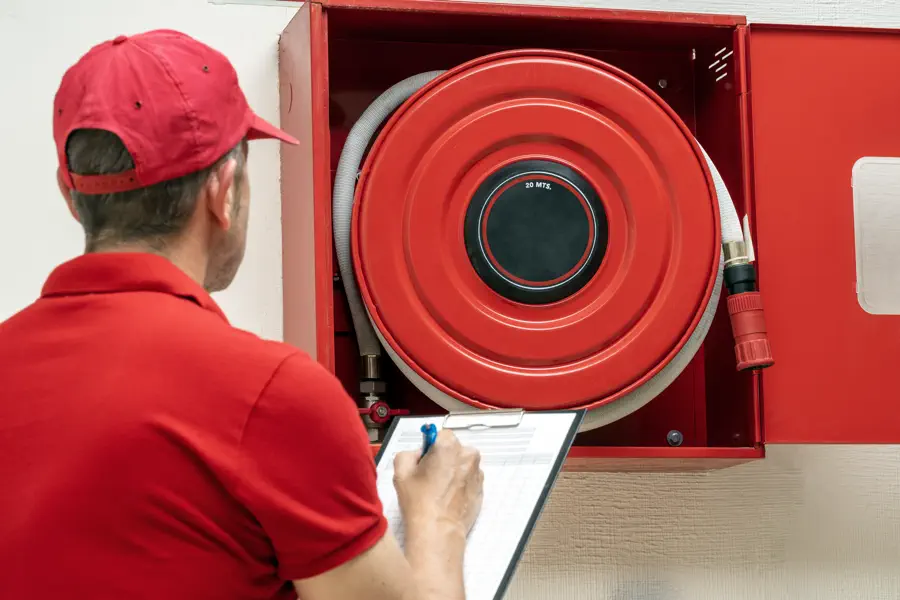
Why Prevention Matters
Fires can start fast. A small spark in a kitchen, garage, or office can spread in minutes. Smoke can fill a room before people have time to react. That is why fire equipment inspection should never be skipped. It keeps extinguishers, alarms, hoses, and sprinkler systems in working order.
Property owners who stay on top of routine inspections often avoid heavy repair costs later. More important, they help protect workers, customers, and family members. Prevention is always easier than dealing with fire damage after the fact.
Early Warning Signs of Equipment Problems
Fire safety equipment often shows signs when something is wrong. Knowing what to look for helps you act quickly. During a basic walk-through, keep an eye out for these issues:
- Fire extinguishers with low pressure gauges
- Broken safety seals or missing pins
- Smoke alarms that chirp or stay silent during tests
- Blocked sprinkler heads
- Corrosion on pipes or tanks
- Outdated inspection tags
These signs may seem small, but they can stop equipment from working during a real fire. Regular fire equipment inspection helps catch these problems early.
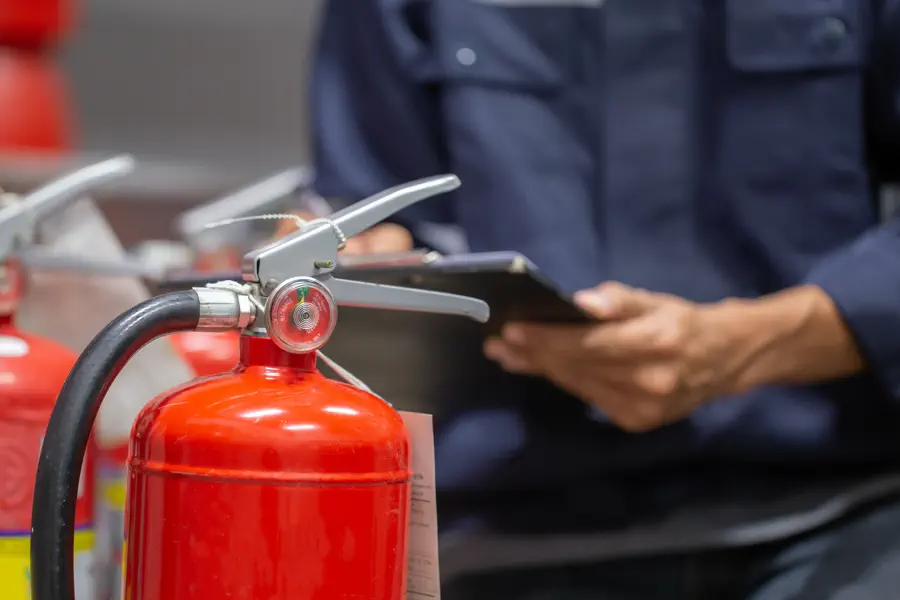
Seasonal and Routine Checklist
Having a simple checklist makes maintenance easier. Many property managers tie inspections to the seasons or set monthly reminders. Here is a basic routine you can follow:
- Check fire extinguishers monthly for pressure and damage.
- Test smoke alarms at least once a month.
- Replace alarm batteries twice a year.
- Inspect sprinkler systems for leaks or visible damage.
- Confirm exit signs are lit and easy to see.
- Schedule a professional annual fire equipment inspection.
This type of service often falls under broader safety programs, including life safety and compliance support within your chosen service category keyword group. Keeping records of each check also helps during safety reviews or insurance audits.
Best Practices for Long-Term Results
Consistency is key. Set reminders on your phone or calendar. Assign responsibility to a staff member if you manage a business. In larger buildings, create a log book where each inspection is recorded with the date and notes.
Store fire extinguishers in clear, easy-to-reach spots. Keep hallways and exits free of clutter. Do not hang objects from sprinkler heads. Train staff or family members on how to use extinguishers properly. Equipment works best when people know how to handle it.
It also helps to review local fire codes each year. Rules can change, and staying current keeps your property compliant and safe.
What Not to Do
Some mistakes can reduce the effectiveness of your fire safety plan. Avoid these common errors:
- Ignoring small damage or rust
- Skipping inspections because equipment looks fine
- Using expired extinguishers
- Blocking access to safety gear
- Forgetting to document completed checks
Another mistake is assuming new buildings do not need inspections. Even brand-new systems require routine fire equipment inspection to stay reliable. Parts can shift, settle, or wear out sooner than expected.
When to Schedule Professional Help
While monthly checks can be done in-house, certified technicians should handle full annual inspections. Professionals test pressure levels, examine internal parts, and verify that systems meet current code. They also tag equipment with updated inspection dates.
If you notice leaks, repeated alarm failures, or damaged sprinkler lines, call for service right away. Businesses, schools, and multi-unit housing often have strict rules about professional inspections. Staying proactive helps avoid fines and reduces risk.
Regular fire equipment inspection is not just about passing an audit. It is about knowing your systems will respond when you need them most.
Protect Your Property With Ongoing Support
At Oklahoma Fire Safety, we help property owners stay prepared with reliable fire equipment inspection services and ongoing support. Our team works with businesses and homeowners throughout the area. If you are located in Tuttle, OK, staying up to date with inspections can help you meet local safety codes and reduce risk. Call us today at (405) 851-5739 to schedule service or ask questions about your fire protection needs. We are here to help you keep your people and property safe.